Financial science and our understanding of what drives asset prices have evolved considerably. The implications on the financial services industry have also been significant, including the introduction of passive index funds, single-factor and multi-factor strategies. But has factor-building been overdone, and are there risks to becoming too factor focused?
Recent studies have highlighted that the rise in indexing has been driven by asset class segment (non-total market index funds). While index-based strategies offer transparency in exposures, any non-total market index involves active decision making in both design and ongoing execution. What exposures are we actually getting from index strategies?
Join us for an in-depth discussion on the distinction between index and factor building and designing real-world investment strategies. This session offers invaluable insights into the latest developments in financial science and their practical applications.
Learning Objectives:
- Examine similarities and differences in how indices define asset classes and manage reconstitution
- Review the rise of strategic-beta ETP offerings and provide context for how allocators can navigate this ecosystem
- Highlight some of the constraints portfolio design decisions can place on index trackers
- Propose how a systematic approach can deliver benefits commonly associated with indexing while removing artificial constraints
Meet Daniel Ong, CFA, Senior Portfolio Manager I Avantis Investors
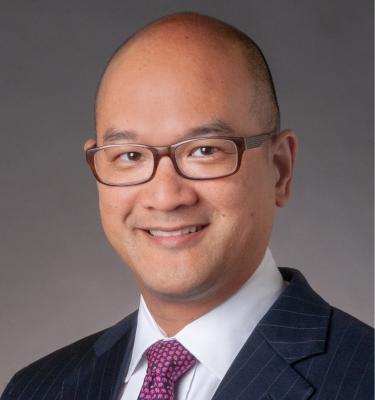
Daniel is a senior portfolio manager at Avantis Investors. Before coming to Avantis, Daniel served as a senior portfolio manager and vice president at DFA for 14 years. His responsibilities spanned across managing international developed and emerging markets equity strategies, leading the emerging markets equity desk, and engaging with clients. Prior to that, he was an account manager at Metropolitan West Asset Management and a structure analyst at Pacific Investment Management Company. Daniel is a Chartered Financial Analyst and earned a bachelor's degree in economics from the University of California and his master's degree in finance and accounting from the University of Chicago Booth School of Business.